


Why You Feel Unmotivated at Work and What to Change First
Seven common reasons motivation drops at work, plus practical changes to workload, environment, goals and routines.

In this article
A dip in motivation does not automatically mean you are lazy or in the wrong career. Motivation changes with workload, clarity, health, relationships and the work environment. The useful question is not how to force more effort, but what is making effort difficult right now.
This article offers general workplace guidance, not mental health advice. Persistent distress, exhaustion or changes in daily functioning deserve support from a qualified professional.
1. The goal is unclear
Large assignments feel harder when the next action is vague. Rewrite the goal as a visible result, then define the smallest meaningful step. Clarify the deadline, decision-maker and standard of completion before doing more work.
2. The workload is not sustainable
Motivation often falls when every task is urgent. List active commitments, estimate capacity and ask the person setting priorities to choose what moves. Better prioritization is more credible than silently promising everything.
3. You have too little control
Limited autonomy can make work feel mechanical. Look for choices you can influence: task order, focus blocks, meeting formats or the way progress is reported. Managers can help by defining outcomes clearly while leaving room in the method.
4. The work has lost meaning
Connect a repetitive task to the person or process it serves. If that connection is weak, ask how the output is used. Meaning is not a slogan; it comes from understanding impact, developing skill and seeing progress.
5. Interruptions are consuming attention
Notifications, visual clutter and uncomfortable equipment create friction. Set a short focus period, close nonessential channels and keep the immediate work area clear. A cable management solution or monitor stand may improve organization, but habits and expectations matter more than accessories.
6. Your body needs a change
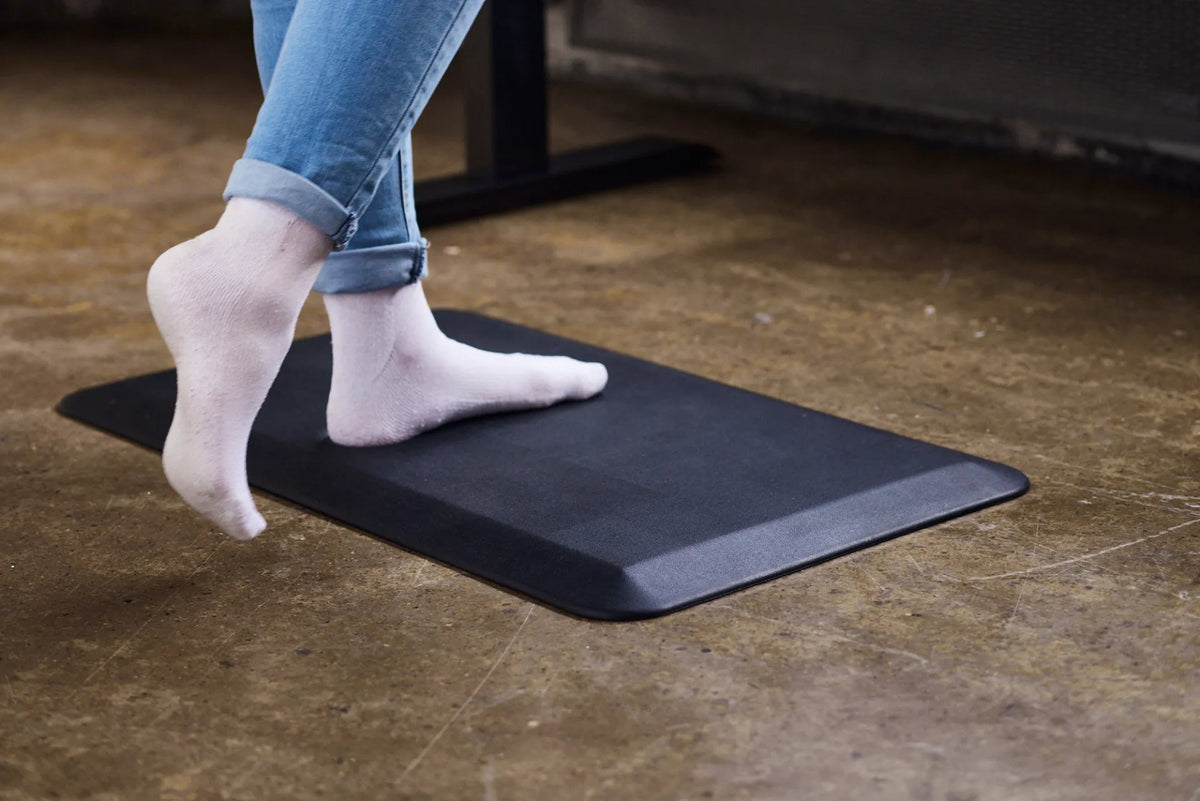
Long static sessions can feel draining. The CCOHS office ergonomics resources support fitting the workstation to the user and varying posture. Adjust the chair and screen, take a brief walk or alternate positions at an adjustable desk. These actions support comfort but are not treatments for low mood.
7. The environment feels unsafe or unsupported
Conflict, incivility and uncertainty can overwhelm individual productivity tactics. Document specific concerns, use appropriate workplace channels and seek support. The NIOSH workplace mental health guidance emphasizes that organizational conditions matter.
Choose one change for the next week
Pick the cause that best matches your situation and run one small experiment: clarify a deliverable, renegotiate a deadline, protect one focus block or reset the workstation. Review the effect after a week. If the problem is structural, bring concrete evidence and a proposed change to the person who can act.
Motivation is information
Low motivation can signal a problem with clarity, capacity, control, meaning, attention, comfort or support. Treat that signal with curiosity. A better desk setup can remove friction, but good work also requires realistic expectations and healthy relationships.


1 comment
Hi burotic.ca administrator, You always provide clear explanations and definitions.