


How to Choose a Standing Desk Frame and Legs

In this article
A standing desk frame determines far more than whether a desktop moves up and down. It sets the usable height range, supports the weight of the complete workstation, affects stability and controls which desktop sizes can be installed safely. A good frame should fit the user and the surface before its extra features are considered.
This guide explains the specifications that matter, the questions to ask a Canadian seller and the compatibility checks to complete before buying. It does not assume that one motor count or column shape is always best. The right choice depends on the user, desktop, equipment, room and service expectations.
Quick answer: compare the complete system
Start with five requirements: the lowest working height, the highest working height, the finished desktop size and weight, the weight of everything that will sit on it, and the available floor space. Then compare frame width, lifting capacity, stability, control options, assembly, certification information and after-sales support.
Do not choose from lifting capacity alone. A frame can have a high published capacity and still be wrong for a short user, a very deep top or a narrow room. Likewise, a wide height range is only useful when the desktop, footwear and input-device position produce a comfortable result.
1. Measure the required height range
Published frame height and finished desktop height are not always the same measurement. The desktop adds thickness, and some sellers measure to the frame while others describe the complete surface height. Confirm exactly what the specification includes.
For the seated position, the keyboard surface should allow relaxed shoulders and elbows near the body. For standing, it should reach approximately elbow level without forcing the wrists upward. Shorter users often need a lower minimum more than a taller user needs an extreme maximum. Tall users should confirm that the frame reaches a comfortable working position without relying on thick risers.
Measure a known comfortable surface if possible. Our standing desk height guide for short and tall users explains a body-based method. Treat online height charts as starting points because arm, torso and leg proportions differ.
2. Understand two-stage and three-stage legs
Telescoping standing-desk legs are commonly described by the number of moving column sections. A three-stage column often supports a broader adjustment range than a two-stage design, but the actual published minimum and maximum are what matter. Do not assume the label alone proves suitability.
Look at how the columns overlap, how the feet contact the floor and whether the frame remains controlled near its upper range. If the desk will be shared by users of very different heights, a broader range may be especially valuable. For one dedicated user, a narrower range can still be appropriate if both working positions fit.
3. Single motor or dual motor?
A single-motor design uses one motor to drive the lifting system. A dual-motor design typically places one motor in or near each leg and coordinates them through a control box. Motor count can affect lifting behaviour, design complexity and cost, but it should not be used as a stand-alone quality score.
Compare the complete specifications: rated load, speed, operating noise, duty cycle if disclosed, anti-collision behaviour, control system and warranty coverage. Ask how replacement components are handled in Canada. A well-supported product with clear documentation can be more valuable than a larger number printed in a comparison table.
4. Calculate the real lifting load
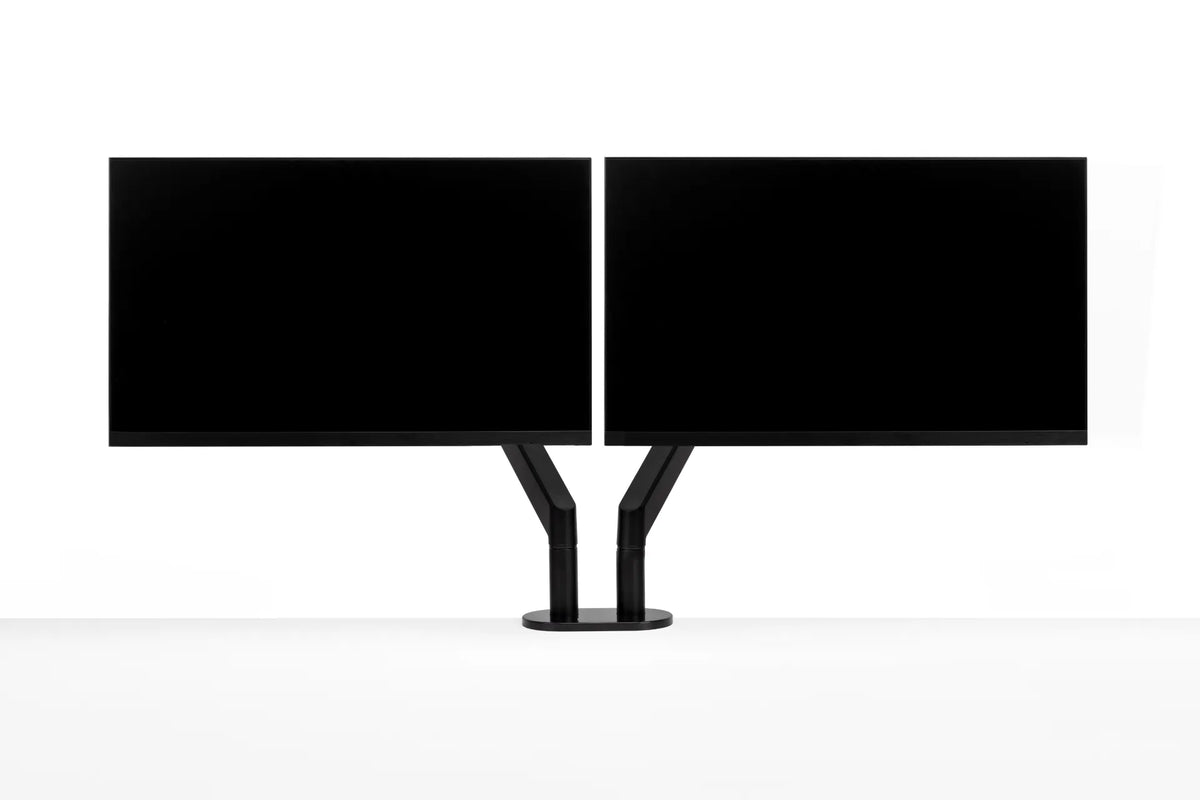
Add the desktop, monitors, monitor arms, computer, speakers, drawers, power accessories and any equipment used regularly. Include the weight of under-desk accessories because the frame must lift them too. Leave a reasonable margin rather than planning to operate continuously at the published maximum.
Capacity does not describe every form of stress. A heavy object placed far from the centre can create leverage. A large cantilevered monitor or deep solid-wood top may behave differently from the same weight distributed evenly. Follow the manufacturer’s desktop limits and mounting instructions.
If you are building a custom combination, the Burotic solid wood desktop and Aspire standing desk frame pages provide current options. Confirm the frame, top dimensions, fasteners and load requirements together before ordering.
5. Match the frame to the desktop
Check the supported desktop width, depth and thickness. The frame crossbar must adjust to the intended width, while the side brackets and feet need appropriate clearance. A top that is too narrow can leave hardware exposed. A top that is too wide may flex or exceed the recommended overhang.
Desktop material also matters. Solid wood, laminate, bamboo and composite panels have different weights and fastening requirements. Screws must be appropriate for the material and thickness. Reusing an existing top can be practical, but inspect it for damage and confirm that old holes do not weaken the new mounting locations.
Plan grommets, monitor-arm clamps and cable openings before drilling. Keep hardware away from frame rails, motors, control boxes and moving components. When uncertain, use the seller’s approved top sizes or installation service.
6. Evaluate stability in the positions you use
Every elevated structure can move, but excessive front-to-back or side-to-side motion can make typing and video calls distracting. Stability depends on leg geometry, foot length, frame width, desktop size, assembly, floor level and working height.
Compare demonstrations at realistic heights, not only at the lowest setting. Read how the seller defines testing, and be cautious with unqualified claims such as completely wobble-free. After installation, level the feet, tighten fasteners in the specified sequence and distribute heavy equipment sensibly. Our standing desk wobble checklist covers safe checks before assuming the frame is defective.
7. Review the controller and safety features
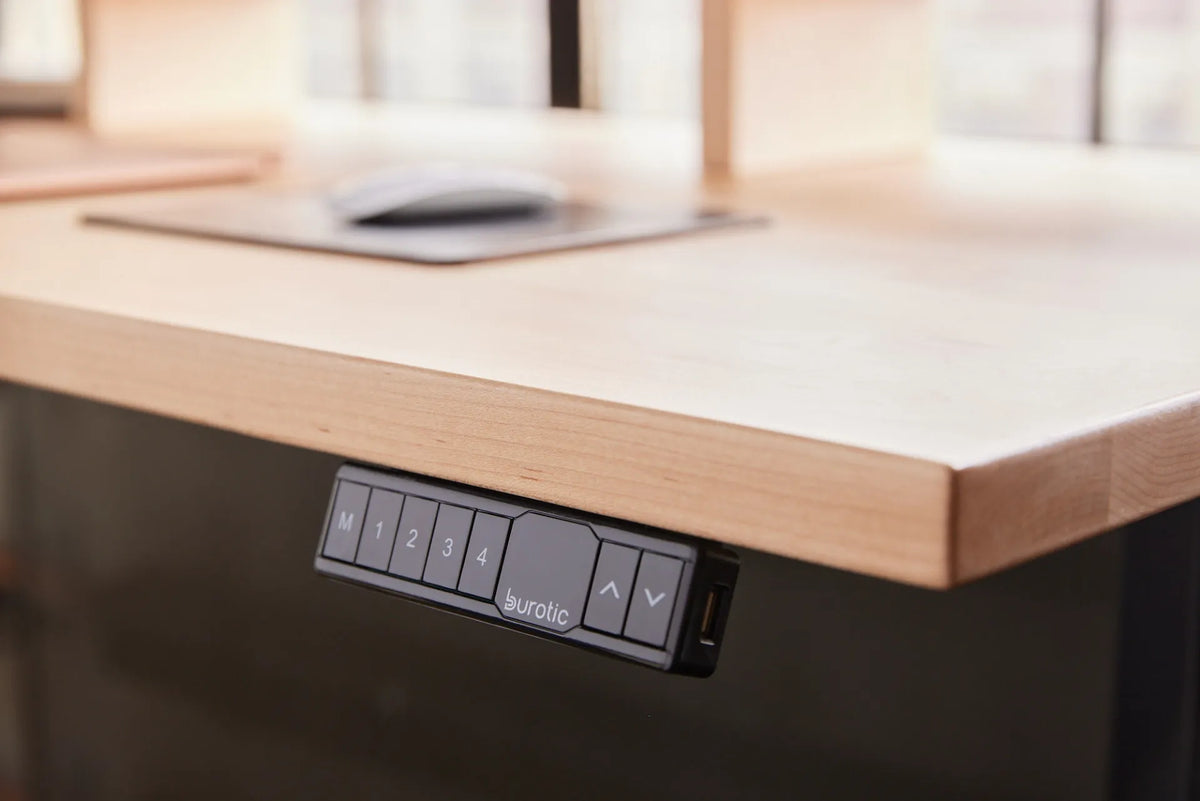
Basic controls move the desk up and down. Memory presets can make repeatable positions easier, especially when more than one person uses the desk. Check how many positions can be stored, whether a lock is available, how reset procedures work and whether the display can be changed between units if that matters to you.
Anti-collision systems are designed to react when resistance is detected, but they are not a substitute for keeping the travel path clear. Ask whether sensitivity can be adjusted and read the limitations. Route cords with enough slack for full travel and keep drawers, windowsills, shelves and chairs outside the moving path. A verified cable management solution can help, provided it is installed within the frame’s clearance requirements.
8. Check electrical and compliance information
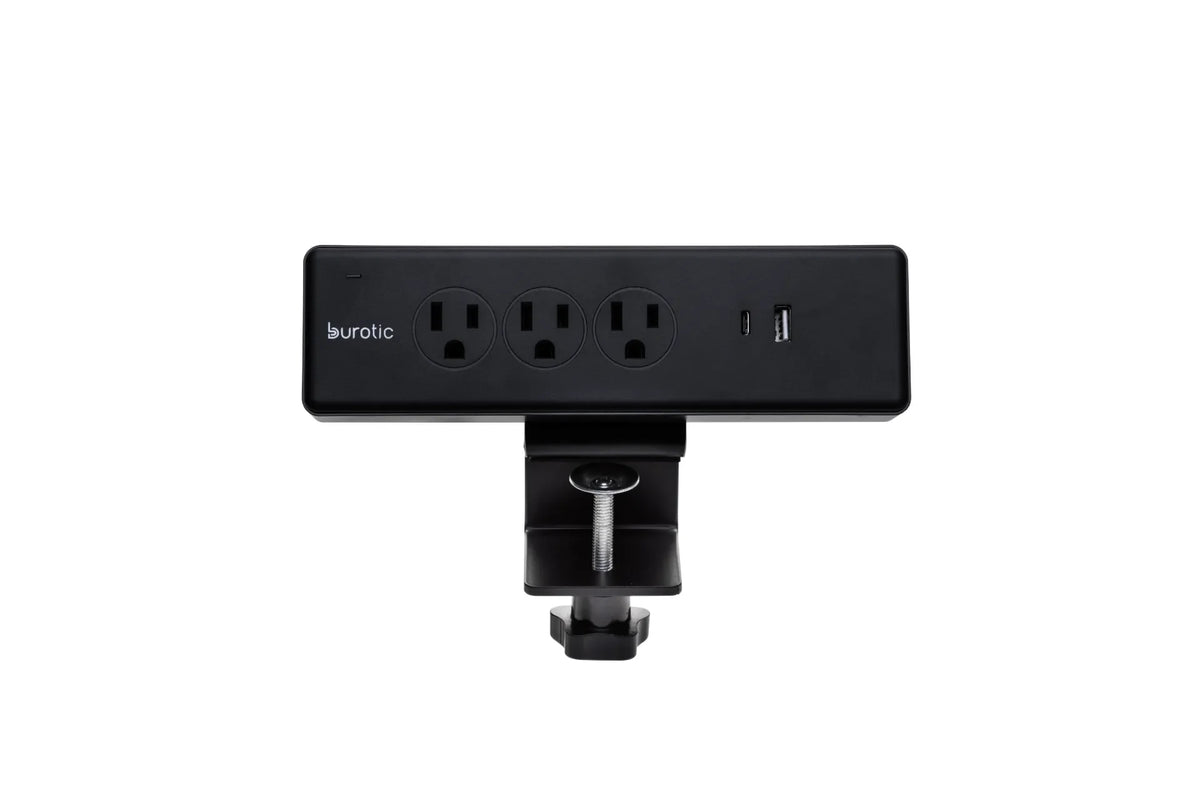
For an electric frame sold in Canada, look for clear electrical ratings, installation instructions and recognized certification marks applicable to the product. Confirm the required outlet and whether any power bar or extension arrangement is permitted by the manufacturer. Do not defeat grounding or modify electrical components.
Noise figures can be useful, but testing methods differ. A sound level measured without a loaded desktop may not describe a real workstation. Treat speed and noise as secondary after fit, stability and service.
9. Compare warranty and Canadian support
Read what the warranty covers separately for the steel structure, electronics, motors and controller. Check the duration, exclusions, proof-of-purchase requirements and who pays shipping or labour. Availability of replacement controls, cables and motors can extend useful life.
For Canadian buyers, ask where parts ship from, how support is contacted and whether instructions are available in the needed language. Current price and inventory can change, so verify them directly on official Canadian product pages rather than relying on an old review.
10. Plan assembly and future moves
A frame and desktop can be heavy and awkward. Review the manual before delivery, confirm the required tools and identify a safe assembly area. Two people may be appropriate for lifting or turning the completed desk. Never lift by a delicate control panel or exposed cable.
If you expect to move, consider whether the frame can be partially disassembled without damaging the desktop. Keep the manual and spare hardware labelled. After any move, inspect cable connections, level the feet and run the manufacturer’s reset procedure if required.
Standing desk frame checklist
- Minimum and maximum finished surface heights fit the intended users.
- Frame width supports the planned desktop.
- Desktop depth, thickness and material are approved.
- Rated capacity exceeds the complete working load with margin.
- Stability is acceptable at real sitting and standing heights.
- Controller features match how the desk will be used.
- Cables and obstacles remain clear through full travel.
- Electrical information and applicable certification are documented.
- Warranty terms and Canadian parts support are clear.
- Assembly and future moving requirements are manageable.
Make fit the first decision
The best standing desk frame is not simply the one with the biggest capacity or longest feature list. It is the one that reaches the right heights, safely supports the chosen desktop and equipment, stays controlled in daily use and comes with service you can actually access.
Measure first, compare official specifications and keep a margin for future equipment. If you are building a custom desk, Burotic’s Aspire frame can be paired with compatible surfaces. Review the current product page or contact the team to confirm the exact combination before purchase.
Previous article
Proper Keyboard and Hand Placement for Desk Work
Next article
How to Choose an Office Chair for Programming and Long Coding Sessions